Boutique hotels in London offer a distinctive and stylish alternative to traditional accommodations, focusing on personalized experiences and exceptional design. These charming establishments have become increasingly popular among travelers seeking a unique stay in one of the world’s most vibrant cities. With a rich history and a diverse array of themes, boutique hotels reflect the character of the neighborhoods they inhabit, providing guests with a taste of local culture.
From vintage charm to modern elegance, the boutique hotel scene in London caters to a variety of tastes and preferences. These hotels attract a demographic that values individuality and seeks memorable experiences over routine stays, making them an ideal choice for both leisure and business travelers.
Overview of Boutique Hotels in London
Boutique hotels in London offer a distinctive and personalized experience for travelers seeking more than just a place to stay. These hotels are characterized by their unique design, intimate atmosphere, and a focus on individualized service. Unlike larger chain hotels, boutique accommodations often reflect the character of their neighborhoods, providing guests with a more authentic taste of the city.The rise of boutique hotels in London can be traced back to the late 20th century when travelers began to seek accommodations that offered a blend of luxury and personality.
The trend gained momentum as innovative hoteliers recognized the opportunity to create unique spaces that catered to discerning guests. Many of these hotels are housed in historic buildings, preserving architectural heritage while infusing modern design elements. Over the years, London has become a hub for boutique hotels that prioritize quality and experience over sheer size and scale.
Demographics of Boutique Hotel Guests
The clientele of boutique hotels spans a diverse array of demographics, each drawn to the unique offerings these establishments present. Generally, the following groups are commonly found enjoying the charm of boutique accommodations:
- Millennials and Young Professionals: Seeking trendy and aesthetically pleasing spaces, this demographic values the experience and often shares their stays on social media, fostering a sense of community.
- Couples: Many couples choose boutique hotels for romantic getaways, as these intimate settings provide a cozy atmosphere perfect for creating lasting memories.
- Business Travelers: With an increasing number of boutique hotels offering meeting spaces and amenities tailored for professionals, business travelers find these settings conducive for work and relaxation.
- Luxury Seekers: Individuals looking for upscale experiences without the impersonal nature of larger hotels often gravitate towards boutique options that offer personalized service.
- Cultural Enthusiasts: Many boutique hotels reflect the local culture and art scene, attracting guests who appreciate unique design and local flair.
The appeal of boutique hotels lies not only in their stylish decor and prime locations but also in their commitment to delivering a memorable and tailored experience. Each stay offers guests a chance to connect with the city on a more personal level, creating lasting impressions of their time in London.
Top Boutique Hotels in London
London, a city known for its rich history and vibrant culture, is home to a plethora of boutique hotels that offer unique experiences for travelers. These hotels stand out not just for their stylish interiors, but also for their personalized service and distinctive character. Exploring these boutique gems can elevate your stay in the capital, providing not only comfort but an authentic taste of London life.The following is a curated list of the top ten boutique hotels in London, highlighting what makes each one special, including their amenities, services, and a comparison of pricing and location.
List of Top Boutique Hotels
Each of these hotels offers a unique charm and character, making them standout choices for visitors.
- The Hoxton, Shoreditch: Located in the trendy Shoreditch area, The Hoxton is known for its chic decor and vibrant vibe. Amenities include a lively bar, free Wi-Fi, and a 24-hour front desk. Room rates start at around £150 per night.
- Covent Garden Hotel: This hotel features a stylish, classic design and is situated in the heart of Covent Garden. Guests can enjoy a cinema, gym facilities, and complimentary afternoon tea. Prices begin at approximately £250 per night.
- Hotel 41: An exclusive hotel near Buckingham Palace, Hotel 41 offers luxury with a personal touch, including butler service and a complimentary lounge. Rooms start at about £400 per night.
- Firmdale Hotels’ Charlotte Street Hotel: With a vibrant design inspired by the area, this hotel offers a cinema, a restaurant, and private event spaces. Rates begin around £350 per night.
- The Zetter Townhouse Clerkenwell: Known for its quirky decor and intimate atmosphere, this hotel features a cocktail lounge and stylish rooms. Prices range from £200 per night.
- La Suite West: A modern hotel with a minimalist design, La Suite West is located near Hyde Park and offers a vegan restaurant and a wellness center. Room rates are around £180 per night.
- The Sloane Square Hotel: This stylish hotel is located in the affluent Chelsea area, offering elegant rooms, a trendy bar, and proximity to exclusive shopping. Rates start at £200 per night.
- The Laslett: Situated in Notting Hill, The Laslett combines modern luxury with classic British style, featuring a restaurant and a bar. Prices are approximately £250 per night.
- The Principal London: With its grand Edwardian architecture, this hotel offers luxurious rooms and a lively restaurant. Rates begin at around £300 per night.
- The Trafalgar St. James: Located near Trafalgar Square, this hotel boasts modern decor, a rooftop bar, and fine dining options. Room rates are around £350 per night.
Amenities and Services
The boutique hotels listed above offer a wide range of amenities designed to enhance guest experiences, including:
- Complimentary Wi-Fi throughout the hotel
- On-site dining options with various culinary styles
- Fitness facilities, including gyms and wellness centers
- Concierge services to assist with bookings and local recommendations
- Unique room designs that reflect the personality of the hotel
- Event spaces for meetings and celebrations
- Personalized services, such as butler or room service
- Cocktail bars and lounges for relaxation and socializing
Pricing and Location Comparison
The price of boutique hotels in London can vary significantly based on their location and the luxury level offered. Below is a simplified comparison showcasing the centrality and price range of these hotels.
| Hotel Name | Location | Starting Price (per night) |
|---|---|---|
| The Hoxton, Shoreditch | Shoreditch | £150 |
| Covent Garden Hotel | Covent Garden | £250 |
| Hotel 41 | Near Buckingham Palace | £400 |
| Charlotte Street Hotel | Fitzrovia | £350 |
| The Zetter Townhouse | Clerkenwell | £200 |
| La Suite West | Near Hyde Park | £180 |
| The Sloane Square Hotel | Chelsea | £200 |
| The Laslett | Notting Hill | £250 |
| The Principal London | Bloomsbury | £300 |
| The Trafalgar St. James | Trafalgar Square | £350 |
Unique Themes and Styles of Boutique Hotels
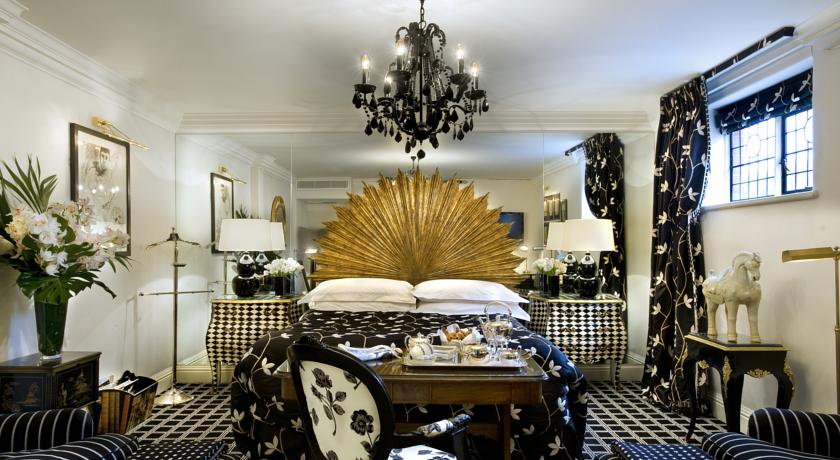
London is a city that thrives on creativity and individuality, and its boutique hotels reflect this ethos through their unique design themes and styles. These hotels often go beyond mere accommodation to offer guests an immersive experience, where each space tells a story and showcases a distinct aesthetic. From vintage charm to modern minimalism, London’s boutique hotels present a rich tapestry of styles that cater to diverse tastes.The architectural features of these hotels play a significant role in their appeal, often blending historical elements with contemporary design to create something truly exceptional.
Guests can expect to find carefully curated interiors, original artwork, and bespoke furnishings that enhance the overall ambiance. The following sections explore various themes and styles found in London’s boutique hotels, along with notable examples that epitomize each category.
Vintage Style, Boutique hotels in london
Vintage-themed boutique hotels in London evoke a sense of nostalgia, often featuring retro furnishings and decor reminiscent of past eras. These hotels typically incorporate elements such as antique furniture, patterned wallpaper, and vintage light fixtures, creating a warm and inviting atmosphere.
- The Zetter Townhouse in Clerkenwell is a perfect example of vintage charm, boasting an eclectic mix of Victorian and Edwardian furnishings, alongside quirky art pieces that transport guests back in time.
- The Number Sixteen Hotel near South Kensington offers a delightful mix of traditional British decor and modern comfort, with floral prints and vintage artifacts that enhance its quaint appeal.
Modern Style
Modern boutique hotels focus on clean lines, minimalistic designs, and innovative use of space. These hotels often utilize a neutral color palette, sleek furniture, and cutting-edge technology to create a sophisticated environment.
- The Hoxton in Shoreditch exemplifies modern style with its industrial-chic design, featuring raw materials like exposed brick and metal accents, complemented by contemporary art installations.
- The Standard London, housed in a former town hall, showcases modernism with its sleek, stylish interiors and vibrant public spaces, offering a fresh take on urban hospitality.
Eclectic Style
Eclectic boutique hotels are known for their vibrant and diverse aesthetics, blending various design elements and cultural influences. These hotels embrace color, creativity, and artistic expression, making them visually striking and unique.
- The Artist Residence in Pimlico is a true embodiment of eclectic style, with its bold color schemes, mismatched furniture, and vibrant artwork, creating a lively and artistic atmosphere.
- The Curtain in Shoreditch combines retro and contemporary influences, featuring colorful interiors and a lively rooftop bar that captures the essence of London’s dynamic culture.
“Each boutique hotel in London is not just a place to stay, but a canvas of creativity reflecting the city’s rich cultural heritage and modern flair.”
From vintage elegance to modern sophistication and eclectic artistry, the unique themes and styles of boutique hotels in London provide an array of choices for travelers seeking something beyond the ordinary. Each hotel invites guests to experience a distinct narrative through its design, making stays in the city memorable and inspiring.
The Experience of Staying in a Boutique Hotel
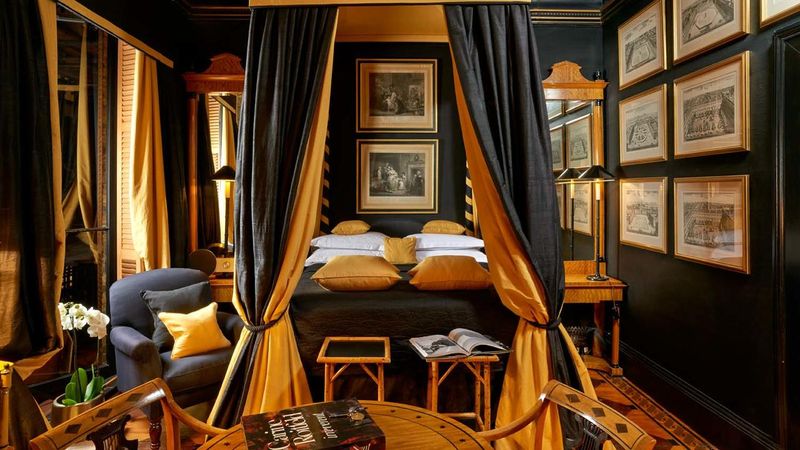
Staying in a boutique hotel is a unique experience that transcends mere accommodation. These hotels are known for their distinct personality, charm, and personalized services that create unforgettable stays. Unlike larger chain hotels, boutique hotels focus on delivering an intimate atmosphere where guests feel genuinely cared for and connected to the space.
Personalized Services in Boutique Hotels
The hallmark of boutique hotels is their attention to detail and personalized service. Staff members often go above and beyond to ensure guests have a memorable experience. This can include:
- Custom welcome amenities, such as locally sourced snacks or handwritten notes, tailored to individual preferences.
- Concierge services that provide personalized recommendations for dining, entertainment, and local attractions, often based on guests’ interests.
- Flexible check-in and check-out times to accommodate guests’ travel schedules, allowing for a more relaxed experience.
- Unique room features, like individualized decor and bespoke furnishings, that create a sense of home and comfort.
These services foster a welcoming environment where guests feel valued and attended to, enhancing their overall experience.
Benefits of Choosing a Boutique Hotel
Opting for a boutique hotel over a larger chain comes with a plethora of benefits that cater to diverse traveler needs. One significant advantage is the immersive experience that boutique hotels offer. Guests can enjoy:
- A unique design that reflects the local culture and history, providing a more authentic stay compared to generic chain hotels.
- Intimate settings with fewer rooms, which often leads to quieter and more peaceful environments ideal for relaxation.
- Access to exclusive experiences, such as local art showcases or themed events, that larger hotels typically do not provide.
- Greater engagement with the local community, as many boutique hotels partner with nearby businesses and artisans, allowing guests to explore the area more authentically.
These factors contribute to a more enriching and personal travel experience.
Contribution to Local Culture and Experience
Boutique hotels play a crucial role in promoting local culture and enhancing the overall travel experience. They are often designed with an emphasis on local architecture, art, and traditions. Guests can expect:
- Art installations and decor that reflect the heritage and aesthetics of the surrounding area, giving insight into local artistry.
- Events and workshops, such as cooking classes or craft sessions, that engage guests with community traditions and foster connections with local artisans.
- Support for local businesses by featuring regional products in hotel amenities or dining options, reinforcing a cycle of community support.
- A platform for local voices, often showcasing works from local artists and musicians, thereby enriching the cultural landscape.
This intimate relationship with the community not only enhances the guest experience but also contributes to the preservation and promotion of local culture.
Dining Options at Boutique Hotels
Boutique hotels in London are not only about stylish interiors and personalized service; they also offer unique dining experiences that set them apart from standard hotels. Guests are treated to a variety of culinary options that often reflect the local culture and ingredients, making each meal a memorable part of their stay. The dining venues range from cozy cafés to elegant restaurants, providing a wide array of choices to suit different tastes and preferences.Many boutique hotels pride themselves on incorporating local cuisine into their menus, showcasing the rich culinary heritage of London and the surrounding areas.
This approach ensures that guests get a taste of the city’s vibrant food scene while enjoying the comfort of their accommodations. The emphasis on fresh, locally-sourced ingredients not only enhances the flavor of the dishes but also supports local farmers and producers.
Dining Venues and Culinary Experiences
Each boutique hotel in London offers a unique dining venue, contributing to an exceptional culinary experience. Here are some notable dining options available at select boutique hotels:
- The London EDITION: The hotel features a stylish restaurant, Berners Tavern, known for its contemporary British cuisine. The impressive décor, highlighted by a stunning mural and grand chandeliers, sets the stage for a memorable dining experience. The menu focuses on seasonal ingredients, with signature dishes like roasted lamb and innovative vegetarian options.
- Hotel du Vin: Located in a former warehouse, this hotel offers a charming bistro that serves classic French dishes. The emphasis here is on hearty comfort food, and guests can enjoy a range of wines from an extensive wine cellar. The cozy atmosphere and exposed brick walls create a laid-back dining experience.
- The Zetter Hotel: Home to the renowned Zetter Restaurant, this hotel features a menu that highlights fresh, organic produce sourced from local suppliers. The dishes are inventive and cater to various dietary requirements, with options ranging from vegan to gluten-free. The restaurant’s sustainable approach makes it a favorite among eco-conscious travelers.
- Covent Garden Hotel: The Brasserie Max at this hotel offers a mix of British and European cuisine in a relaxed setting. The menu celebrates seasonal produce and often includes traditional dishes with a modern twist, such as fish and chips served with gourmet tartar sauce.
- Hoxton Hotel: The Hoxton has become known for its vibrant dining scene, featuring restaurants that serve everything from wood-fired pizzas to healthy breakfast bowls. The emphasis on casual dining in a lively atmosphere makes it a popular spot for both hotel guests and locals alike.
Guests at these boutique hotels can also partake in unique culinary experiences, such as cooking classes, wine tastings, and themed dinner events. For instance, some hotels host special evenings where local chefs showcase traditional dishes, allowing guests to immerse themselves in the flavors of London.
“Dining at a boutique hotel is not just about food; it’s about creating an experience that reflects the essence of the city.”
With such diverse dining options and a focus on local cuisine, boutique hotels in London transform meals into delightful experiences, making them an essential part of any stay.
Boutique Hotels and Sustainability
Boutique hotels in London are increasingly focusing on sustainability as a key aspect of their operations. This commitment not only helps the environment but also enhances the overall guest experience. By implementing eco-friendly practices, these hotels are setting a precedent for responsible luxury and encouraging visitors to consider their environmental impact.Many boutique hotels are adopting a variety of sustainable practices that significantly contribute to reducing their carbon footprint.
These initiatives often include using locally sourced materials in their décor, implementing energy-efficient lighting and heating systems, and offering organic food options in their in-house restaurants. Additionally, many hotels are taking active steps to minimize waste through recycling programs and reducing single-use plastics.
Examples of Eco-Friendly Boutique Hotels
Several boutique hotels in London stand out for their dedication to sustainability. Here are a few notable examples that prioritize eco-friendly initiatives:
- The Zetter Hotel: This hotel is celebrated for its green credentials, with a commitment to energy efficiency, rainwater harvesting, and using sustainable building materials. Their rooftop garden helps to promote biodiversity and offers guests a unique urban escape.
- The Hoxton: The Hoxton incorporates sustainability into every aspect of its operations, from sourcing local ingredients for its restaurant to using furniture made from reclaimed materials. They also partner with local charities to reduce food waste.
- The Curtain: This hotel not only focuses on sustainable building practices but also engages in community initiatives. They work with local suppliers and have a rooftop garden that provides fresh produce for their dining options.
The impact of these sustainable practices goes beyond just environmental benefits; they significantly enhance the guest experience. Travelers today are more environmentally conscious, and many seek accommodations that reflect their values. Staying in a boutique hotel that emphasizes sustainability allows guests to feel like they are making a positive impact while enjoying their stay.
“Eco-friendly hotels not only meet the modern traveler’s expectations but also contribute to a healthier planet.”
In addition to the tangible benefits of sustainability, guests often enjoy unique experiences, such as farm-to-table dining and personalized service that reflects the local culture and community. By prioritizing sustainability, boutique hotels in London are paving the way for a new standard in hospitality that aligns luxury with environmental responsibility.
Booking and Pricing Strategies
When planning your stay at a boutique hotel in London, understanding booking and pricing strategies can greatly impact your experience and budget. Boutique hotels often offer unique atmospheres and personalized services, but prices can fluctuate significantly. Knowing how to navigate the booking landscape can lead to substantial savings and enhanced experiences.For the savvy traveler, comparing direct bookings with third-party sites is crucial.
While third-party platforms often showcase competitive rates, booking directly with the hotel can yield benefits like exclusive deals, better flexibility, and potential perks such as room upgrades or complimentary breakfast.
Comparison of Direct Booking Versus Third-Party Sites
Understanding the advantages and disadvantages of different booking methods is essential for getting the best rates. Below is a brief overview of both options:
- Direct Booking:
- Often provides the best rates due to avoiding intermediary fees.
- Hotels may offer additional perks like early check-in, late check-out, or complimentary breakfast.
- Direct communication with the hotel allows for special requests and personalized service.
- Third-Party Sites:
- Can display competitive rates and a broader selection of properties.
- May offer user reviews and ratings to help gauge the quality of the hotel.
- Often includes package deals that bundle accommodations with experiences or activities.
While both options have merit, it often pays to check the hotel’s official website after finding a rate on a third-party site. Some hotels will match or even beat that rate to encourage direct bookings.
Finding Promotional Offers and Packages
Taking advantage of promotions and packages can significantly enhance your boutique hotel experience while keeping costs manageable. Here are some strategies to uncover those hidden gems:
- Sign-Up for Newsletters: Many boutique hotels offer exclusive discounts to subscribers. Staying informed about upcoming promotions can save you money.
- Follow on Social Media: Hotels often announce flash sales and special promotions on their social media platforms. Engaging with them online may lead to unique opportunities.
- Use Loyalty Programs: Joining a hotel loyalty program can provide access to member-only rates, rewards points, and complimentary nights.
- Book During Off-Peak Times: Rates tend to be lower during weekdays or off-peak seasons. If your travel schedule allows, consider planning your stay during these times.
By leveraging these strategies, travelers can uncover unique deals and packages that elevate their boutique hotel experience without breaking the bank. Remember, a little research and timing can go a long way in securing the perfect stay at a boutique hotel in London.
Customer Reviews and Experiences
Guest reviews of boutique hotels in London often highlight a blend of personalized service, unique designs, and an overall memorable experience. Many travelers appreciate the intimate atmosphere and attention to detail that boutique hotels provide compared to larger chain hotels. These reviews frequently reflect guests’ delight in the quirky aesthetics, bespoke furnishings, and the sense of being in a home away from home.
A common theme in feedback is the exceptional service provided by the staff. Guests frequently mention how hotel personnel go above and beyond to offer tailored recommendations and assistance, enhancing their overall stay. This personal touch often leaves a lasting impression, encouraging guests to return.
Common Themes in Guest Reviews
A review analysis of boutique hotels reveals several recurring themes that guests emphasize. These points underline what makes boutique accommodations stand out:
- Personalized Service: Guests consistently rave about attentive staff who remember names and preferences, creating a welcoming environment.
- Unique Decor: The distinct styles and artistic touches in each room often receive high praise, with many guests appreciating the character that sets these hotels apart.
- Location: Many boutique hotels are situated in vibrant neighborhoods, providing easy access to local attractions, shops, and restaurants, which guests find convenient and exciting.
- Comfortable Ambiance: Reviewers often comment on the cozy and inviting atmosphere, making their stays feel more relaxed and enjoyable.
- Quality of Amenities: Guests frequently mention high-quality bedding, luxurious toiletries, and thoughtful in-room conveniences that enhance their comfort experience.
Notable Guest Experiences
Several reviews capture remarkable experiences that emphasize the uniqueness of boutique hotels. For instance, one guest recounted a surprise birthday celebration organized by the hotel staff, complete with decorations and a cake, illustrating how boutique hotels often provide a personal touch that enhances special occasions. Another guest shared a story of how they found themselves in a beautifully themed room inspired by a famous artist, which transformed their stay into a mini art exhibit.
This narrative showcases how boutique hotels often blend creativity with hospitality, creating a memorable experience far beyond standard accommodations.
Trends in Customer Feedback
Analyzing current customer feedback reveals several trends regarding guest satisfaction. Many guests are increasingly looking for hotels that embrace sustainability practices. Reviews often mention eco-friendly initiatives, such as organic toiletries and energy-efficient systems, as significant factors in their hotel choice.Furthermore, the trend of social media sharing influences guests’ expectations. Many visitors seek out visually appealing hotels that offer Instagram-worthy decor and experiences, leading boutique hotels to invest more in aesthetics that resonate in the digital space.
“Staying in a boutique hotel felt like discovering a hidden gem, filled with character and charm that you just don’t find in standard hotels.”
Future Trends in Boutique Hotels
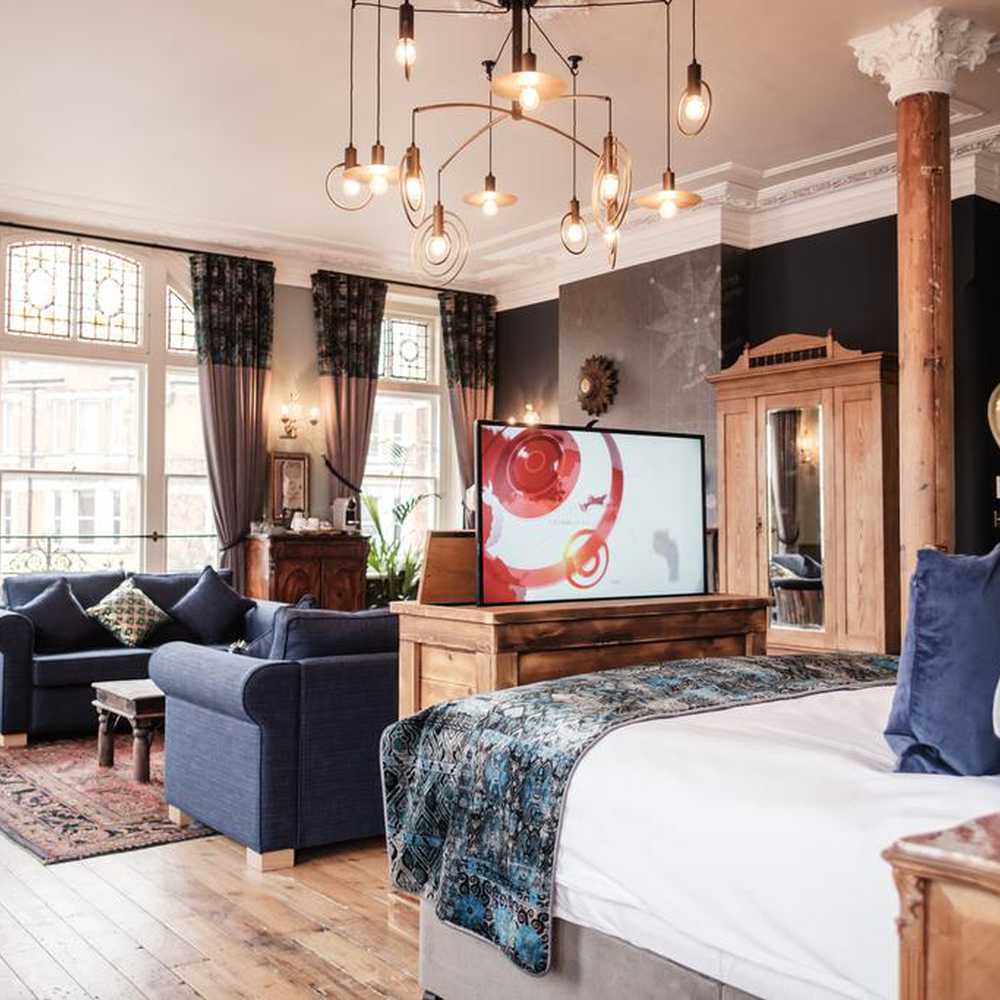
The boutique hotel landscape in London is constantly evolving, reflecting shifts in consumer preferences and technological advancements. As travelers become more discerning, boutique hotels must innovate to meet their expectations and remain competitive. This section explores emerging trends, potential challenges, and opportunities that may shape the future of boutique hotels in the vibrant city of London.
Emerging Trends in Boutique Hotels
Several key trends are anticipated to influence the boutique hotel industry in London over the next few years. These trends reflect changing consumer behaviors, technological advancements, and a growing emphasis on sustainability.
- Personalization and Customization: Guests increasingly seek unique experiences tailored to their individual preferences. Boutique hotels are adopting advanced data analytics and customer profiles to offer personalized services, from room settings to curated local experiences.
- Technology Integration: The rise of smart technology in hospitality is gaining traction. Hotels are incorporating mobile check-in, smart room controls, and virtual concierges, enhancing the guest experience while streamlining operations.
- Sustainable Practices: Eco-conscious travelers are driving demand for sustainability. Boutique hotels are implementing green practices, such as using locally sourced materials, reducing waste, and offering organic dining options to appeal to this growing demographic.
- Local Culture and Community Engagement: More boutique hotels are focusing on providing authentic experiences that reflect the local culture. This includes collaborations with local artists, hosting workshops, and featuring locally inspired décor to create a sense of place.
Challenges and Opportunities for Boutique Hotels
As boutique hotels navigate the future, they will face several challenges but also opportunities for growth.
- Competition from Alternative Accommodations: The rise of platforms like Airbnb presents both a challenge and an opportunity for boutique hotels. While they must compete with lower-priced options, boutique hotels can differentiate themselves through unique offerings and superior service.
- Economic Fluctuations: The hospitality industry is sensitive to economic shifts. Boutique hotels need to adapt their pricing strategies and marketing approaches to maintain occupancy rates during downturns.
- Investment in Wellness and Experience: The increasing emphasis on health and wellness presents opportunities for boutique hotels to offer wellness programs, spa services, and healthy dining options, catering to health-conscious travelers.
- Leveraging Social Media and Online Presence: Building a strong brand presence on social media allows boutique hotels to engage with potential guests, showcase their unique offerings, and encourage user-generated content, which can drive bookings.
Predictions for Market Evolution
The boutique hotel market in London is expected to continue evolving, driven by innovation and changing consumer demands.
“The future of boutique hotels will be defined by their ability to blend unique, authentic experiences with modern technology and sustainability.”
As the market adapitates, we can anticipate a rise in boutique hotels that specialize in niche markets, such as wellness retreats or art-focused stays. Additionally, partnerships with local businesses for curated experiences will become more commonplace, enriching the guest experience while benefiting the community. Overall, the boutique hotel sector is poised for exciting developments, keeping pace with the dynamic needs of travelers in London.
Top FAQs
What defines a boutique hotel?
A boutique hotel is typically characterized by its unique design, personalized service, and a smaller number of rooms compared to larger chain hotels.
Are boutique hotels more expensive than regular hotels?
Pricing can vary, but boutique hotels often offer a range of price points, sometimes being comparable to or even more affordable than larger chains.
How can I find the best boutique hotels in London?
Research online reviews, travel blogs, and booking platforms to find recommendations and comparisons of boutique hotels in London.
Do boutique hotels provide amenities like larger hotels?
Yes, many boutique hotels offer amenities such as dining options, fitness centers, and unique local experiences, though the offerings may differ from larger establishments.
Can I book boutique hotels for business trips?
Absolutely! Many boutique hotels cater to business travelers, offering meeting spaces and convenient locations in the city.
