Luxury business hotels Germany takes center stage, offering a unique blend of elegance and practicality tailored for discerning travelers. These hotels stand out in the hospitality arena, providing amenities and services that cater specifically to the needs of business professionals. With key locations in bustling cities, these hotels not only serve as a comfortable retreat but also facilitate seamless business operations, ensuring every stay is both productive and enjoyable.
In Germany, the luxury business hotel scene is defined by sophisticated design, cutting-edge technology, and a commitment to personalized service. From high-end conference facilities to fine dining options, these hotels are designed to enhance the business travel experience, making them ideal choices for corporate clients seeking both comfort and efficiency.
Overview of Luxury Business Hotels in Germany
Luxury business hotels play a crucial role in the hospitality industry, especially in a country like Germany where business travel is prevalent. These establishments cater specifically to professionals seeking comfort and convenience during their stays. They combine high-end amenities and essential services tailored to meet the needs of business travelers, setting them apart from standard hotels.What distinguishes luxury business hotels from their standard counterparts are several unique features.
These hotels prioritize not only opulence but also functionality for corporate guests. Features include spacious meeting and conference rooms equipped with the latest technology, business centers that offer essential services like printing and faxing, and dedicated concierge services to assist with travel arrangements and local business inquiries. Additionally, many luxury business hotels provide wellness facilities such as gyms and spas, ensuring guests can unwind after a long day of meetings.
Key Cities in Germany Known for Luxury Business Hotels
Germany boasts several cities recognized for their prestigious luxury business hotels, each offering unique experiences and services. The following cities are notable for their concentration of high-quality accommodations designed for business travelers:
- Berlin: The capital city is a vibrant hub for business and politics, featuring luxurious hotels like The Ritz-Carlton and Hotel Adlon Kempinski, which provide state-of-the-art facilities and easy access to major business districts.
- Frankfurt: Renowned as a financial center, Frankfurt is home to high-end hotels such as the Jumeirah Frankfurt and Sofitel Frankfurt Opera, offering modern amenities tailored for corporate guests.
- Munich: Known for its rich culture and business opportunities, luxury hotels like Hotel Bayerischer Hof and The Charles Hotel provide premier services for business travelers.
- Hamburg: With its significant port and business activity, Hamburg features luxury accommodations like Hotel Atlantic Kempinski and The Westin Hamburg, ensuring a blend of comfort and efficiency.
- Düsseldorf: As a fashion and trade fair city, Düsseldorf houses luxury hotels such as InterContinental Düsseldorf, catering to the demands of business professionals.
In these cities, luxury business hotels not only provide exemplary service but also contribute to the local economy by attracting international business travelers and hosting significant corporate events. They exemplify a blend of elegance and practicality, making them a top choice for those in the business sector.
Amenities and Services Offered
Luxury business hotels in Germany are designed to provide an unparalleled experience, ensuring that business travelers can work efficiently while enjoying high-end amenities. These hotels combine elegance with functionality, making them an ideal choice for professionals seeking comfort and convenience during their stays.One of the standout features of luxury business hotels is the wide range of amenities tailored specifically for the needs of business travelers.
These include state-of-the-art conference facilities, high-speed internet access, and comprehensive business centers. Guests can expect a seamless blend of comfort and technology, allowing them to conduct meetings or work on-the-go without interruption.
Amenities for Business Travelers
The amenities available in luxury business hotels often make all the difference for traveling professionals. The following list highlights some of the key offerings that enhance the overall experience:
- High-Speed Wi-Fi: Reliable and fast internet connection is typically provided throughout the hotel, including guest rooms and common areas, ensuring guests stay connected.
- Business Centers: Fully equipped business centers offer printing, scanning, and copying services, enabling guests to manage their work efficiently.
- Meeting Rooms: Versatile meeting spaces are available, often featuring the latest audio-visual technology for presentations and conferences.
- Executive Lounges: Exclusive lounges provide a quiet space for relaxation or informal meetings, often with complimentary refreshments.
- Fitness Facilities: Many hotels include well-equipped gyms or wellness centers, allowing guests to maintain their fitness routines during their travels.
Personalized Services for Business Guests
To further enhance the guest experience, luxury business hotels in Germany often offer personalized services that cater specifically to the needs of business travelers. These services are designed to provide convenience and comfort, ensuring guests can focus on their work.Many hotels feature dedicated concierge services that assist in arranging transportation, booking reservations, and providing local insights. For instance, a concierge might coordinate airport transfers in luxury vehicles, ensuring a stress-free arrival or departure experience.
“Personalized service is a hallmark of luxury accommodations, providing guests with tailored experiences that exceed expectations.”
Exclusive Services Enhancing Guest Experience
Luxury business hotels often provide exclusive services that elevate the overall experience. These might include:
- Private Check-In: Some hotels offer private check-in services for business travelers, allowing for a smoother arrival process.
- In-Room Technology: Advanced in-room tech, such as smart TVs and automated room controls, make it easy for guests to customize their environment.
- Concierge-Level Services: Access to personalized concierge services that can handle everything from travel itineraries to special requests.
- Gourmet Dining Options: On-site restaurants often include gourmet dining options, with menus tailored to accommodate busy schedules.
- Spa and Wellness Services: Many hotels feature luxury spa services to help guests unwind after a long day of meetings.
Target Audience and Market Trends
The luxury business hotel sector in Germany primarily caters to a diverse clientele, including corporate executives, high-profile entrepreneurs, and affluent travelers who prioritize comfort and convenience during their business trips. These individuals often demand top-notch services, exceptional amenities, and a sophisticated atmosphere conducive to both work and relaxation. Current market trends indicate a significant shift in the preferences and expectations of business travelers.
With the rapid advancement of technology and the rise of remote working, luxury hotels are adapting to these changes by offering more flexible services, enhanced digital connectivity, and tailored experiences that meet the evolving needs of their guests.
Primary Clientele for Luxury Business Hotels
The primary clientele for luxury business hotels in Germany includes:
- Corporate Executives: Often traveling for meetings and conferences, these guests seek comprehensive business facilities, such as high-speed internet, meeting rooms, and concierge services.
- Affluent Entrepreneurs: Many entrepreneurs choose luxury hotels for networking opportunities, looking for accommodations that provide an elegant ambiance and a chance to connect with other business leaders.
- International Business Travelers: Executives from around the world visit Germany for trade and investment opportunities, desiring accommodations that reflect their high standards and provide cultural insights.
- Government Officials and Diplomats: These individuals require discretion, security, and premium services during their stays, often necessitating bespoke arrangements for their specific needs.
Market Trends Affecting Luxury Business Hotels
The luxury business hotel market in Germany is influenced by several key trends that are reshaping the hospitality landscape:
- Increased Focus on Sustainability: Hotels are adopting eco-friendly practices, such as reducing plastic usage and sourcing local ingredients, to appeal to environmentally-conscious travelers.
- Technological Innovations: With the rise of remote work, hotels are enhancing their digital offerings, including mobile check-ins, smart room technology, and virtual assistance, to facilitate seamless business operations.
- Personalized Guest Experiences: A growing emphasis on personalization sees hotels tailoring their services to meet individual preferences, ensuring that each guest feels valued and understood.
- Health and Wellness Amenities: Business travelers are increasingly prioritizing wellness, leading to the integration of fitness facilities, wellness programs, and healthy dining options within luxury hotels.
Evolving Needs of Business Travelers
The needs of business travelers have evolved significantly in recent years, highlighting several notable changes in expectations:
- Work-Life Balance: Modern business travelers value accommodations that enable them to maintain a balance between work responsibilities and personal relaxation, prompting hotels to offer leisure facilities alongside business services.
- Enhanced Connectivity: As remote work becomes more prevalent, guests expect robust Wi-Fi connectivity and business centers equipped with the latest technology to facilitate their work.
- Flexibility: The demand for flexible booking options, including cancellations and changes without penalties, has increased, allowing travelers to manage their plans with greater ease.
- Unique Experiences: Business travelers are now seeking unique local experiences, emphasizing the importance of hotels providing cultural insights, activities, and local partnerships to enhance their stay.
Architectural and Interior Design Elements
Luxury business hotels in Germany showcase a harmonious blend of architectural grandeur and sophisticated interior design, contributing to their appeal. With a rich history that dates back centuries, these hotels often combine traditional German styles with modern influences, creating spaces that are not just functional but also aesthetically captivating. The emphasis on meticulous design is crucial as it enhances guest experience and reinforces the hotel’s brand identity.Architectural styles in luxury business hotels in Germany vary widely, often reflecting local culture and historical context.
Common styles include:
- Neoclassical: Characterized by grand columns and symmetrical shapes, neoclassical buildings evoke a sense of timeless elegance. Hotels like the Hotel Adlon Kempinski in Berlin exemplify this style, offering opulent facades with intricate detailing.
- Modernism: This style emphasizes clean lines and open spaces, focusing on functionality while integrating innovative materials. The Sofitel Munich Bayerpost is a prime example, featuring a sleek exterior and spacious interiors that prioritize comfort.
- Art Nouveau: Known for its decorative arts and organic forms, this style is celebrated in hotels like the Louis C. Jacob in Hamburg. The hotel’s architecture and décor pay homage to the natural world, creating a unique ambiance.
- Contemporary: Many luxury hotels embrace contemporary design, which often includes eco-friendly materials and cutting-edge technology. The 25hours Hotel in Frankfurt is known for its quirky design, incorporating local art and modern furnishings that create a vibrant atmosphere.
The importance of interior design in luxury hotels cannot be overstated, as it plays a pivotal role in creating a luxurious atmosphere. Thoughtfully curated interiors enhance comfort and offer a sensory experience that delights guests. Elements such as color schemes, furniture selection, lighting, and artwork all contribute to the overall ambiance. Notable design features found in luxury business hotels often include:
- Custom Art Installations: Many hotels feature unique art pieces that reflect the local culture and history, adding character and a sense of place.
- High-Quality Materials: The use of premium materials like marble, leather, and silk in furnishings and decor elevates the overall experience.
- Innovative Lighting: Ambient and task lighting is carefully planned to create inviting spaces that are both functional and visually appealing.
- Luxurious Amenities: Features such as spa-like bathrooms, high-end linens, and personalized service add to the feeling of exclusivity and comfort.
In summary, the architectural and interior design elements of luxury business hotels in Germany are key to their identity and appeal. By blending historical styles with modern aesthetics, these hotels create environments that are not only stylish but also enhance the overall guest experience.
Reputation and Reviews: Luxury Business Hotels Germany
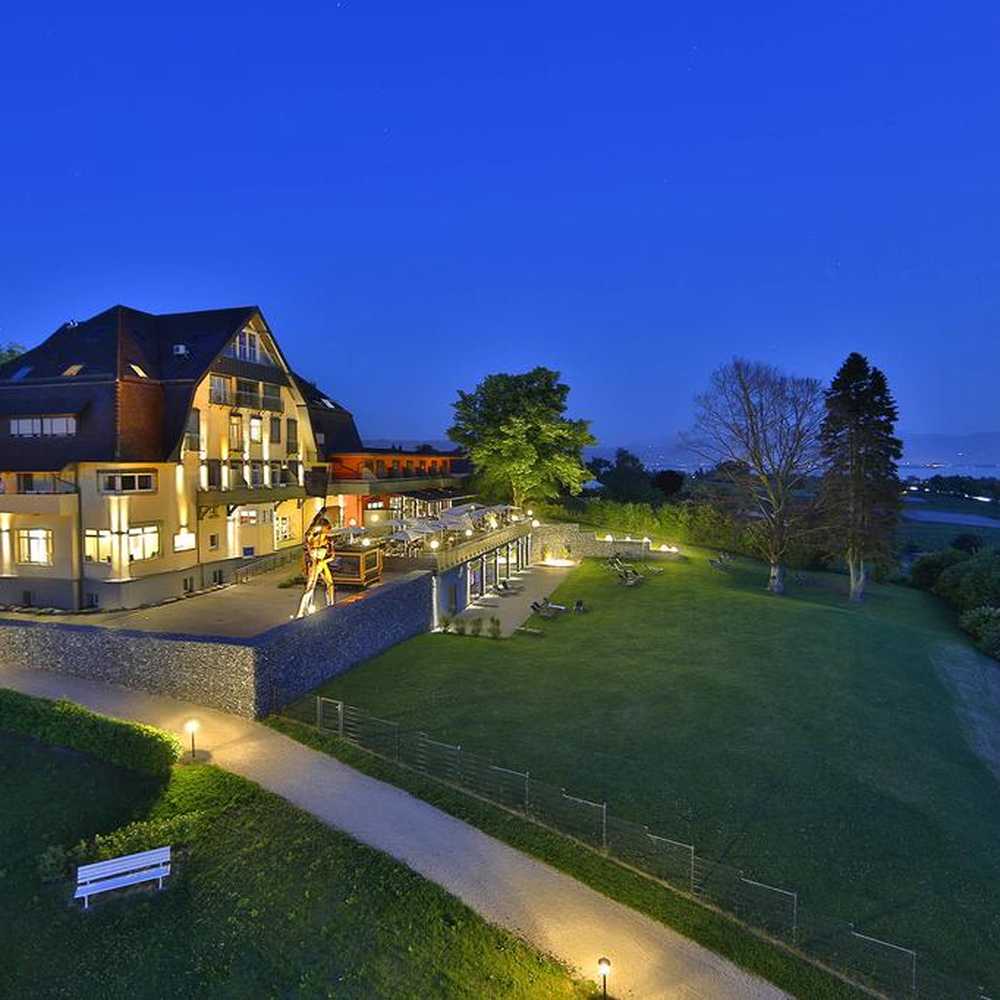
The reputation of luxury business hotels in Germany is pivotal to their success, influencing both customer choice and overall business performance. Factors such as service quality, guest experiences, and the ability to meet the unique needs of business travelers play crucial roles in shaping this reputation. The competitive nature of the hospitality industry necessitates that hotels build and maintain a strong brand image to attract and retain high-profile guests.Online reviews and ratings have become essential in shaping guest perceptions and decisions when choosing accommodations.
Websites like TripAdvisor, Google Reviews, and Booking.com serve as platforms for potential guests to gauge the quality and service standards of hotels. These reviews often provide firsthand accounts of experiences, highlighting strengths and weaknesses that can significantly influence bookings. An impressive number of positive reviews can enhance a hotel’s reputation, while a few negative ones can deter potential customers.
Factors Contributing to Reputation
Several key factors contribute to the reputation of luxury business hotels, each playing a significant role in guest satisfaction and loyalty. Understanding these factors is crucial for hotel management to foster a positive image in a competitive market.
- Service Quality: Exceptional customer service can set a hotel apart, creating memorable experiences that guests are likely to share.
- Amenities: High-end facilities like state-of-the-art conference rooms, spas, and fine dining options enhance the appeal of luxury hotels.
- Guest Experience: Personalized services, such as customized welcome packages or concierge assistance, can lead to positive reviews.
- Location: Proximity to major business districts, airports, and tourist attractions can significantly impact a hotel’s attractiveness.
- Brand Reputation: Established luxury brands often come with built-in trust and expectations, influencing guests’ choices.
Management of Reputation and Customer Feedback
Hotels actively manage their reputation and customer feedback through various strategies, ensuring they can quickly respond to guest reviews and concerns. This proactive approach can help mitigate the impact of negative feedback and enhance the overall guest experience.One common strategy is the establishment of dedicated teams to monitor online reviews and manage social media presence. These teams not only respond to guests but also engage with them to express gratitude for positive feedback, reinforcing loyalty.
Moreover, many luxury hotels implement guest feedback systems, encouraging visitors to share their experiences directly. This can take the form of post-stay surveys or feedback forms available during the stay. By acting on guest suggestions, hotels can continually improve their services and amenities.
“The best reputation is built on consistent excellence in service and responsiveness to guest feedback.”
Overall, the reputation of luxury business hotels in Germany hinges on a combination of outstanding service, strategic management of online reviews, and a commitment to continuous improvement based on guest feedback. This holistic approach not only fosters a positive image but also drives customer loyalty in a competitive market.
Sustainable Practices in Luxury Business Hotels
The luxury hotel sector is increasingly recognizing the critical importance of sustainability in its operations. With growing environmental concerns among consumers, luxury business hotels are adapting their practices to meet these expectations, balancing opulence with eco-consciousness. This alignment not only reflects their commitment to the environment but also enhances their brand reputation, making sustainability a cornerstone of modern luxury hospitality.Leading luxury business hotels in Germany are exemplifying this shift through various sustainable practices.
By implementing eco-friendly initiatives, these hotels are setting benchmarks for others in the industry. Their commitment to sustainability is evident in several key areas, including energy efficiency, waste reduction, and sustainable sourcing.
Energy Efficiency and Resource Management
Energy efficiency is a priority for many luxury business hotels in Germany, with a strong focus on reducing carbon footprints. This includes the installation of energy-efficient lighting, smart HVAC systems, and renewable energy sources such as solar panels. These measures not only lower operational costs but also enhance the guest experience by creating a more comfortable environment.Hotels are also investing in water-saving technologies, like low-flow fixtures and greywater recycling systems, which significantly minimize water consumption.
The use of energy management systems allows hotels to monitor and optimize energy use in real time, further contributing to sustainability goals.
Sustainable Sourcing and Local Partnerships
Many luxury hotels in Germany are committed to sourcing products and services locally to reduce transportation emissions and support the regional economy. This practice extends to food and beverage offerings, with hotels often partnering with local farms and suppliers to provide fresh, seasonal ingredients. By promoting locally sourced products, these hotels not only enhance their culinary offerings but also create a unique dining experience that reflects the region’s culture and flavors.
Additionally, some hotels are focusing on sustainable furniture and decor, choosing materials that are ethically sourced and environmentally friendly.
Waste Reduction Initiatives
Waste reduction is another vital aspect of sustainable practices in luxury business hotels. Leading establishments are implementing comprehensive recycling and composting programs to minimize landfill contributions. Initiatives such as eliminating single-use plastics and offering digital check-in options contribute to reducing waste and promoting a green ethos.Hotels are also increasingly mindful of their laundry operations, employing eco-friendly detergents and energy-efficient machines to decrease water and chemical usage, thus further enhancing their sustainability profile.
Impact on Guest Experience and Operations
The integration of sustainable practices significantly impacts both guest experience and hotel operations. Guests are increasingly drawn to hotels that demonstrate environmental responsibility, with many prioritizing eco-friendly accommodations in their travel choices. This conscious approach enhances guest satisfaction, as travelers appreciate the opportunity to support sustainability during their stay.Moreover, hotels adopting these practices often report improved operational efficiency and cost savings, resulting in a win-win scenario for both the environment and the business.
By aligning luxury with sustainability, these hotels are not just catering to a market trend; they are shaping the future of hospitality. Many luxury business hotels in Germany have successfully embraced sustainability, proving that an eco-conscious approach does not compromise luxury but rather elevates it, creating an enriching experience for guests while promoting a healthier planet.
Location and Accessibility
The location of luxury business hotels plays a pivotal role in their appeal to travelers. For business professionals, proximity to key business districts, meeting venues, and essential services can significantly enhance their stay. An ideal location not only caters to convenience but also reflects the prestige associated with luxury accommodations.Prime locations for business travelers in major German cities include financial hubs and areas with abundant corporate offices.
Cities like Frankfurt, Berlin, and Munich are known for their strategic placement of luxury hotels close to vital economic centers.
Prime Locations in Major Cities
Several German cities are renowned for their exceptional locations that cater specifically to business travelers. These cities offer a blend of accessibility, amenities, and cultural vibrancy:
- Frankfurt: Known as Germany’s financial capital, Frankfurt boasts luxury hotels near the Frankfurt Trade Fair, banking institutions, and the international airport, making it a prime choice for business travelers.
- Berlin: The capital city offers hotels in proximity to major government buildings, international corporations, and tech startups, providing a dynamic environment for networking and meetings.
- Munich: With its thriving economy and status as a cultural hub, Munich features luxury business hotels located near significant business districts and the Munich Trade Fair.
- Hamburg: As a key maritime and trade center, Hamburg’s luxury hotels are often situated near the port and corporate headquarters, facilitating easy access for business travelers.
- Düsseldorf: This city is recognized for its fashion and telecommunications sectors, with luxury hotels conveniently located near the central business district and the Düsseldorf International Airport.
Accessibility to transportation hubs significantly enhances the attractiveness of luxury business hotels. Proximity to airports, train stations, and major road networks ensures that business travelers can move swiftly to their destinations.
Transportation Accessibility
The ease of access to various modes of transportation not only affects the overall experience of business travelers but also influences their choice of accommodation. A well-located luxury hotel provides the following advantages:
- Proximity to Airports: Hotels close to airports minimize travel time, allowing guests to reach their accommodations quickly upon arrival.
- Public Transport Links: Easy access to local metro, tram, or bus services enables efficient commuting throughout the city.
- Central Train Stations: Hotels situated near major train stations provide business travelers with convenient connections to other cities, facilitating intercity travel for meetings and conferences.
- Parking Facilities: Availability of secure parking options is crucial for guests traveling by car, particularly in busy urban settings.
Luxury business hotels that invest in prime locations and transportation accessibility are more likely to attract discerning travelers seeking both convenience and a premium experience.
Event and Conference Facilities
Luxury business hotels in Germany provide exceptional venues that cater specifically to corporate events, meetings, and conferences. These hotels are equipped with state-of-the-art facilities that not only meet but exceed the expectations of business travelers. Designed with elegance and functionality in mind, they offer a perfect blend of sophistication and practicality.A variety of event spaces are available, ensuring that every type of gathering can find a suitable environment.
From intimate boardrooms to expansive ballrooms, luxury business hotels can accommodate a range of group sizes and event formats.
Types of Event Spaces Offered
Luxury business hotels feature diverse event spaces tailored for different occasions. Here are some common types of facilities:
- Ballrooms: Grand ballrooms often come with high ceilings and exquisite decor, ideal for large conferences and gala dinners.
- Meeting Rooms: Smaller meeting rooms equipped with the latest technology suitable for workshops or team meetings.
- Boardrooms: Exclusively designed spaces for executive meetings, often with premium furnishings and privacy.
- Outdoor Spaces: Some hotels offer scenic terraces or gardens for outdoor events, perfect for receptions or casual gatherings.
Luxury hotels also emphasize advanced technology and support services to facilitate seamless business operations.
Technology and Support Services
These hotels are at the forefront of integrating technology into their meeting spaces. They offer comprehensive support services to enhance the experience for event organizers and attendees.
“High-quality AV equipment and reliable internet connectivity are standard features in luxury business hotels.”
The following technological and support services are typically available:
- Audio-Visual Equipment: Modern projectors, screens, sound systems, and microphones that ensure clear communication and presentations.
- High-Speed Internet: Reliable Wi-Fi connections to support multiple devices, essential for virtual meetings and presentations.
- On-Site Technical Support: Professional staff available to assist with technical issues and ensure smooth operation during events.
- Event Planning Services: Dedicated coordinators help organize every aspect of the event, from catering to logistics.
Luxury business hotels are known for hosting prestigious events that leave lasting impressions.
Successful Events Hosted
There are numerous examples of successful events held at luxury business hotels in Germany. Renowned corporations often choose these venues for product launches, international conferences, and executive retreats, benefiting from the prestige and comprehensive services.For instance, the Ritz-Carlton in Berlin has hosted high-profile events, including the annual meeting of a major global automotive manufacturer, showcasing their capabilities in managing large-scale conferences.
Similarly, the Bayerischer Hof in Munich is famous for its annual tech symposiums, attracting industry leaders from around the globe.Luxury business hotels in Germany, with their sophisticated event spaces and comprehensive support, provide an ideal backdrop for any corporate gathering, ensuring that every detail contributes to a successful and memorable experience.
Price Range and Market Positioning

Luxury business hotels in Germany adopt a variety of pricing strategies to cater to the sophisticated demands of their clientele. These hotels are typically positioned at the higher end of the market, with pricing reflecting the quality of service, amenities, and overall experience they provide. Understanding these price points is essential for potential guests and business travelers looking for premium accommodations.The pricing strategies of luxury business hotels in Germany often focus on value rather than just cost, emphasizing the exclusivity and superior services offered.
For instance, rates can vary significantly based on location, brand reputation, and seasonal demand. Typically, the price range for luxury business hotels in major cities like Berlin, Munich, and Frankfurt can start around €200 per night and can exceed €600 for high-end suites during peak times. In comparison, mid-range hotels in these cities might range from €100 to €250, indicating a clear premium on luxury offerings.
Pricing Comparison with Other Accommodation Options
When comparing luxury business hotels to other accommodation options, it’s clear that the price differential is substantial. Here’s a breakdown of typical price ranges for various types of accommodations in Germany:
- Luxury Business Hotels: €200 – €600+ per night, offering comprehensive services and premium amenities.
- Mid-Range Hotels: €100 – €250 per night, providing comfortable stays but fewer luxury services.
- Budget Hotels and Hostels: €20 – €100 per night, focusing on basic amenities and affordability.
This pricing framework illustrates how luxury hotels justify their rates by providing expertly curated experiences, such as gourmet dining, top-tier spa services, and high-end conference facilities.
Market Positioning Strategies, Luxury business hotels germany
Luxury business hotels strategically position themselves in a competitive market by focusing on several key factors. These include:
- Brand Reputation: Established brands like the Ritz-Carlton or Four Seasons leverage their global reputation to attract discerning business travelers.
- Unique Selling Propositions: Many luxury hotels offer signature experiences, such as personalized concierge services or exclusive access to events, which enhances their market appeal.
- Targeted Marketing: Utilizing digital marketing and partnerships with local businesses and airlines to reach business travelers effectively.
- Tailored Packages: Offering packages that combine accommodations with meeting space, dining credits, and exclusive local experiences to create a compelling value proposition.
Luxury business hotels in Germany thus position themselves not only as places to stay but as integral components of the business travel experience, catering to the needs of a high-end clientele who value convenience, comfort, and style.
Impact of Technology on Guest Experience

Technology has revolutionized the way luxury business hotels operate and how guests interact with their surroundings. In an era where convenience and efficiency are paramount, these hotels have integrated advanced technological solutions to cater to the needs of the modern business traveler. From seamless check-in processes to advanced in-room amenities, technology has truly enhanced the overall guest experience.
Technological Innovations in Luxury Business Hotels
The adoption of innovative technologies has not only streamlined hotel operations but has also significantly improved guest satisfaction. Several specific technological advancements have emerged as game-changers in the hospitality sector, particularly in luxury business hotels.
- Mobile Check-In and Keyless Entry: Many luxury hotels now offer mobile apps that allow guests to check in before arrival and use their smartphones as room keys. This eliminates long queues at the front desk, enhancing convenience for busy travelers.
- Smart Room Control: Guests can control lighting, temperature, and entertainment systems with a single device, often through their smartphones or tablets. This personalization of the room environment significantly improves comfort.
- High-Speed Internet and Connectivity: Fast and reliable Wi-Fi is essential for business travelers. Luxury hotels ensure robust connectivity options, enabling guests to work efficiently from their rooms or common areas.
- Virtual Concierge Services: Many hotels have integrated AI-powered chatbots or apps that provide guests with information and assistance on demand. This feature helps guests with everything from booking dinner reservations to requesting room service.
- Integrated Meeting Technology: Conference rooms are equipped with advanced audiovisual equipment and smart technology to support seamless presentations and video conferences, making it easier for business travelers to conduct meetings.
The integration of these technologies significantly enhances the convenience and comfort of business travelers. For instance, a guest who arrives late can bypass check-in lines and go straight to their room, while the ability to adjust room settings via a mobile app means they can create their ideal atmosphere without hassle. Moreover, with smart technology, the need for cumbersome manuals or instructions is eliminated, allowing guests to focus on their work and stay productive during their trips.
“The right technology transforms a luxury hotel stay into an experience that anticipates and meets the needs of the modern business traveler.”
By leveraging these advanced systems, luxury business hotels in Germany and beyond are setting new standards in hospitality, making them not just places to stay but environments that enhance the overall guest experience.
Query Resolution
What are the typical amenities in luxury business hotels?
Luxury business hotels typically offer high-speed internet, spacious work areas, fitness centers, and fine dining options, among other amenities.
How do luxury business hotels cater to business travelers?
These hotels provide personalized services such as dedicated concierge, meeting facilities, and tailored business packages to enhance the travel experience.
Are luxury business hotels environmentally friendly?
Many luxury business hotels implement sustainable practices such as energy-efficient systems, water conservation programs, and sourcing local products to reduce their carbon footprint.
What cities in Germany are known for luxury business hotels?
Key cities known for luxury business hotels include Berlin, Frankfurt, Munich, and Hamburg, each offering unique accommodations and business facilities.
How do luxury business hotels compare in price to standard hotels?
Luxury business hotels tend to have higher rates due to their extensive amenities, premium services, and prime locations, but they often provide better value for business travelers.
